Zero code generation
Deterministic configuration makes change safer, testing simpler, and auditability stronger in production.
- Controlled changes and traceability by design
- Predictable behavior in mission critical environments
Deterministic configuration for delivery, native agentic AI for control and productivity, and legacy refactoring to modernize safely.
Build enterprise applications faster through deterministic configuration, with governance and auditability by design.
Configure governed AI agents inside the platform to control, validate, score, and assist users in real processes.
Make legacy systems readable and structured to modernize safely, without blind rewrites.
Deliver and evolve mission critical systems faster, without losing governance.
Deterministic configuration makes change safer, testing simpler, and auditability stronger in production.
A modular, loosely coupled architecture to assemble capabilities and evolve solutions without rewrites.
Configure agents inside the platform to control, validate, score, and assist users with clear execution boundaries.
Built-in foundations for running at scale: monitoring, diagnostics, audit, and multi-language support.
A practical, governed path from modeling to production operations, then continuous evolution.
Configure data, screens, workflows, and business rules with deterministic behavior.
Connect to existing systems using enterprise standards and your internal policies.
Run at scale with monitoring, diagnostics, logs, and audit readiness built in.
Deliver changes continuously through configuration, with governed AI where it helps.
Pick your domain. Each use case combines deterministic delivery, governed AI agents for control and validation, and structured modernization when legacy constraints exist.
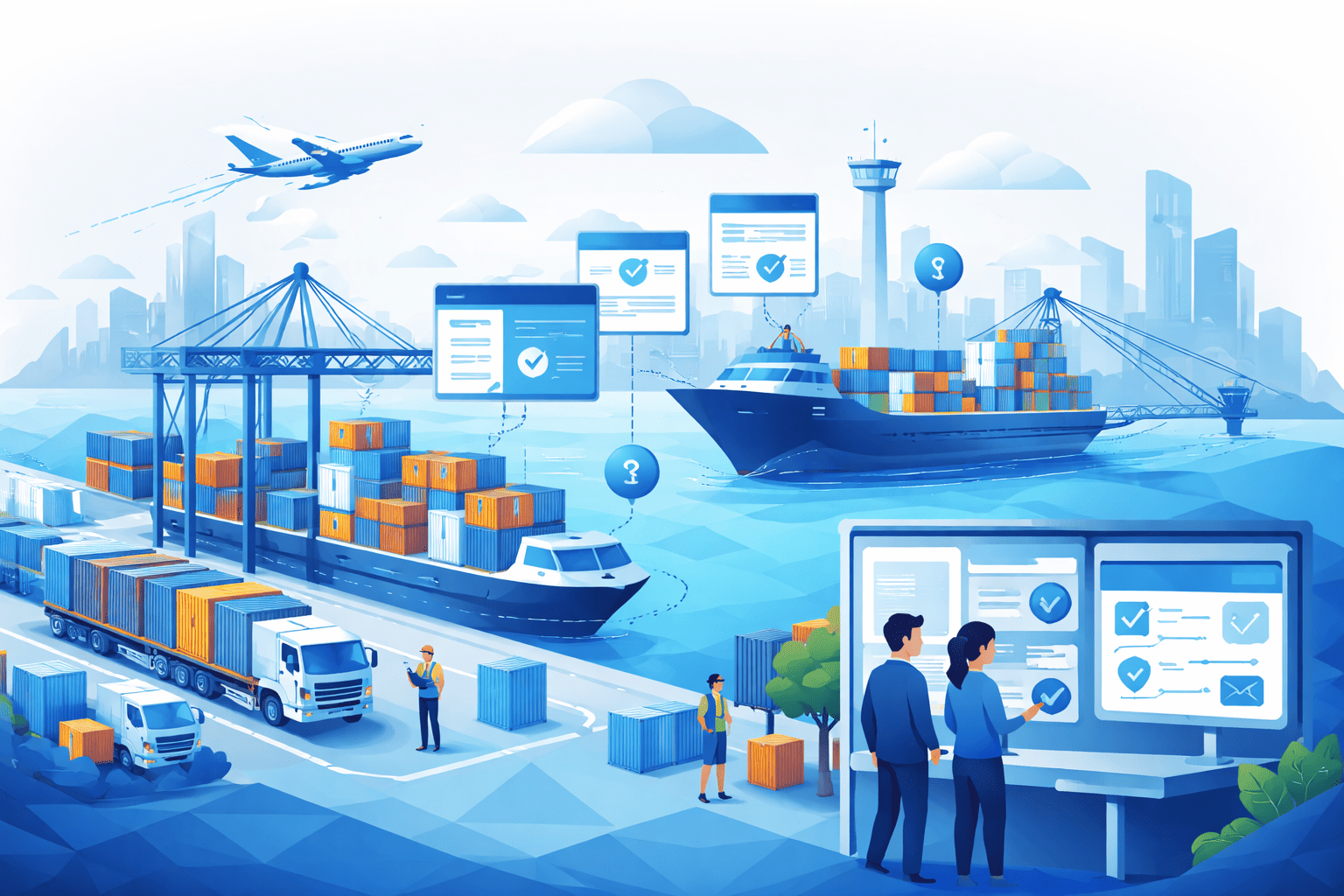
Orchestrate complex multi-actor workflows, with traceability and controlled evolution across years.
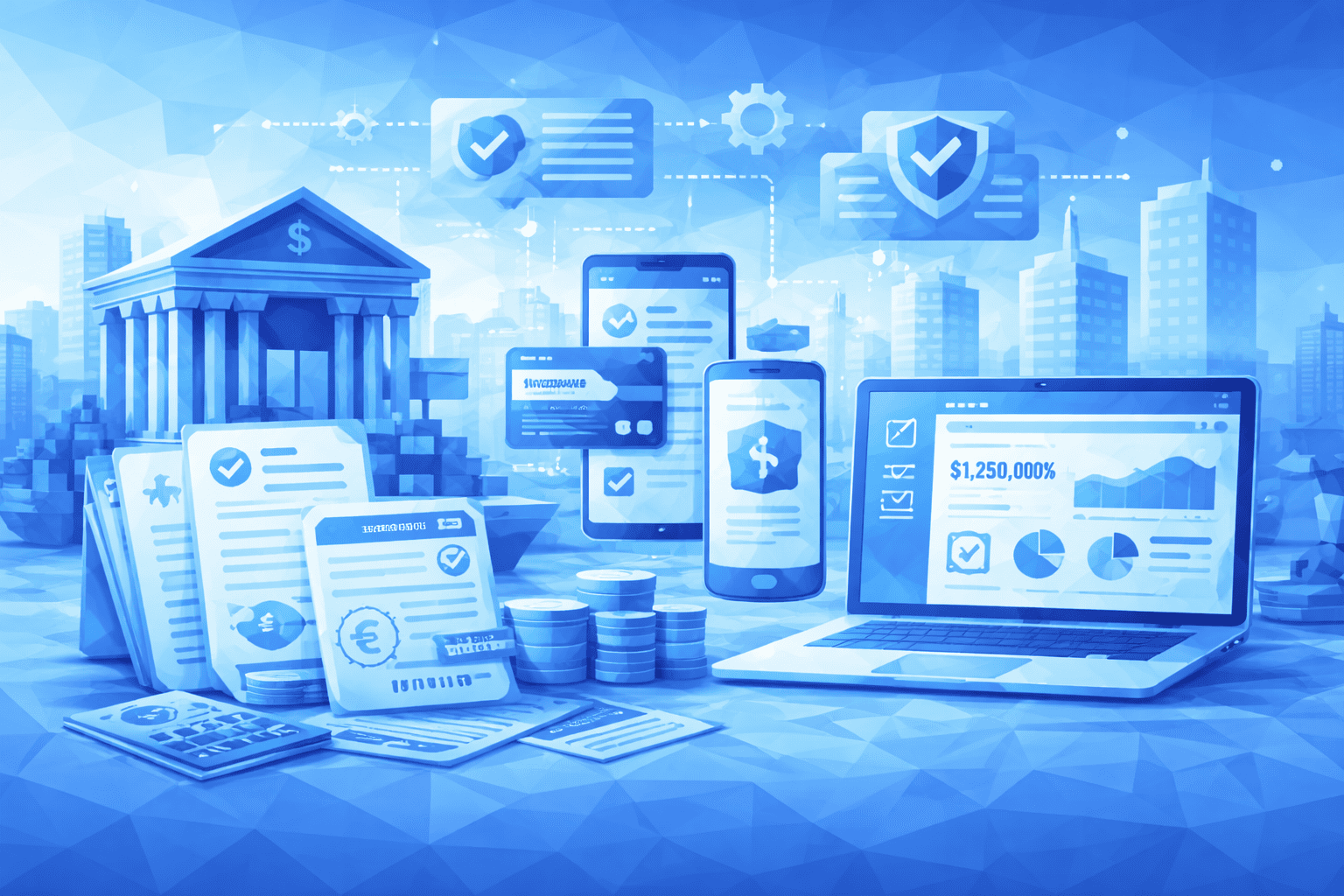
Standardize processes and embed governed AI agents for scoring, anomaly detection, and validations.
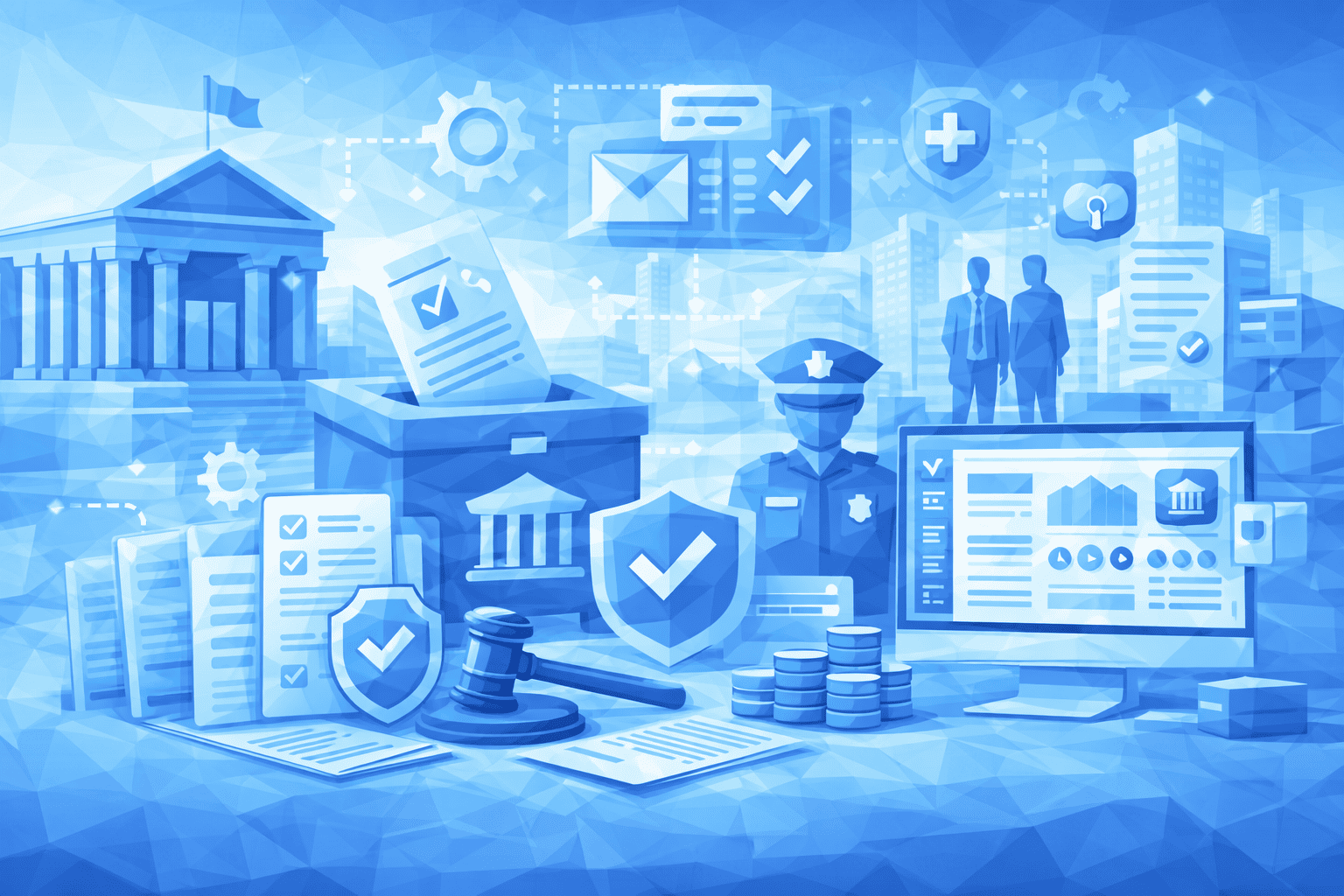
Build long-lifecycle systems with governed change, auditability, and secure collaboration.

Industrialize processes with rules and traceability, while keeping change governance under control.

Manage complex claims workflows with evidence, traceability, and governed AI-assisted controls.
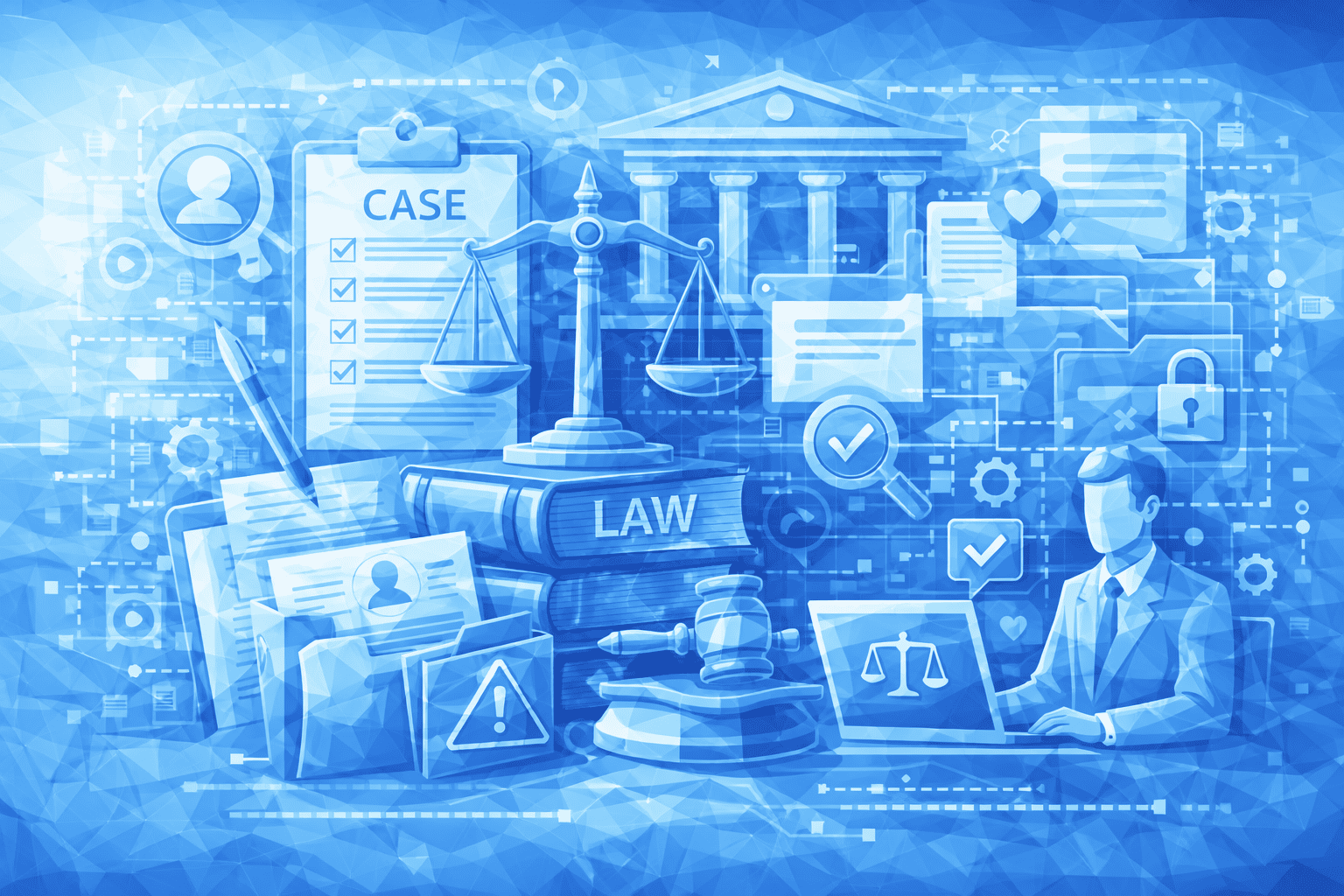
Model complex cases, processes, and documents with controlled evolution and full traceability.
Works Platform makes agentic AI operational and controllable. Agents can be designed for validation, scoring, similarity checks, and anomaly detection, then embedded directly into workflows and applications with clear execution boundaries and full traceability.
Agentic AI in Works is designed for enterprise control. Agents are configured capabilities that execute inside the platform, aligned with governance, permissions, and traceability. They assist people and processes, without removing accountability.
An agent has a defined purpose, allowed actions, and controlled data scope. It runs within Works Platform rules, roles, and approval patterns so outcomes remain predictable and auditable.
Agents can be attached to workflows, screens, validation steps, and background controls. They enhance how teams score, compare, validate, and remediate, while keeping human validation where required.
Enterprise AI interoperability
Works agents can be connected to approved tools and resources through structured tooling patterns, so capabilities stay controlled, auditable, and easy to govern at scale.
Practical outcome: connect agents to enterprise resources while keeping a clear boundary between “what the agent can do” and “what it cannot”.
Works supports coordinated agents where specialized agents collaborate under orchestration rules. This enables complex control scenarios: one agent detects, another validates, another routes, all within governed execution.
Practical outcome: build multi-agent controls for document checks, data validation, scoring and remediation, without losing accountability.
Design principle
Agentic AI is valuable only when it is operational, controlled, and accountable. Works Platform turns AI into governed capabilities that fit real enterprise processes, with traceability and human validation where needed.
Agentic AI becomes enterprise-ready when it is designed, validated, operated, and improved through controlled steps. Works Platform supports this lifecycle so agents can scale safely across teams, use cases, and years.
Define what the agent is for and what “success” looks like.
Attach the agent to the right process steps and permissions.
Test behavior against your rules and operational constraints.
Operate with traceability, monitoring, and accountable execution.
Iterate safely with governed changes and measurable control gains.
Key takeaway
This lifecycle turns agentic AI into an industrial capability: fast to deploy, safe to operate, and structured to improve over time.
Works Platform is designed so AI agents can be deployed safely: controlled scope, permissioned actions, human validation paths, and traceability that fits governance requirements.
Permissioned actions
Agents execute only what is explicitly allowed: read, suggest, validate, route, or raise exceptions, based on roles and policies.
Workflow embedding
Agents are attached to defined steps: checks, approvals, data completion, document review, or exception handling, not ad-hoc automation.
Human validation by design
Agents can propose and prioritize, while final decisions remain with people when required, with structured review queues and approvals.
Traceability and monitoring
Keep a clear record of what the agent used, what it produced, and what was validated, with operational monitoring for continuous control.
Agents become operational when they can work across your existing applications, data, and policies. Works Platform is designed to integrate and align with enterprise standards, so you can activate agents without reshaping your architecture.
Works Platform can connect to your systems and data sources through enterprise patterns and controlled interfaces. This allows agents to validate, score, route, and assist, while keeping authority and governance within your environment.
Your environment
Existing systems, data, processes, and policies
Works agents
Controlled actions embedded into workflows and applications
Important note
Integrations depend on the availability of compatible interfaces from external systems. Works Platform is designed to connect through enterprise standards and controlled interfaces, so alignment is typically straightforward when those interfaces are available.
In Works Platform, agents are not “special features” on the side. They are operational capabilities that you can supervise, audit, and evolve like any other part of a mission-critical system.
Track agent activity in the same operational mindset as your workflows and applications: visibility first, then control.
Works agents can propose, score, and validate, but accountability remains with your teams through structured review patterns.
Agent behavior is configured and governed. You can update what they do without turning production into an experiment.
Operations principle
Agentic AI becomes enterprise-grade when it is measurable, reviewable, and evolvable. Works Platform treats agents as governed operational capabilities, so you can run them in production with traceability and continuous control.