Zero code generation
Deterministic configuration makes change safer, testing simpler, and auditability stronger in production.
- Controlled changes and traceability by design
- Predictable behavior in mission critical environments
Deterministic configuration for delivery, native agentic AI for control and productivity, and legacy refactoring to modernize safely.
Build enterprise applications faster through deterministic configuration, with governance and auditability by design.
Configure governed AI agents inside the platform to control, validate, score, and assist users in real processes.
Make legacy systems readable and structured to modernize safely, without blind rewrites.
Deliver and evolve mission critical systems faster, without losing governance.
Deterministic configuration makes change safer, testing simpler, and auditability stronger in production.
A modular, loosely coupled architecture to assemble capabilities and evolve solutions without rewrites.
Configure agents inside the platform to control, validate, score, and assist users with clear execution boundaries.
Built-in foundations for running at scale: monitoring, diagnostics, audit, and multi-language support.
A practical, governed path from modeling to production operations, then continuous evolution.
Configure data, screens, workflows, and business rules with deterministic behavior.
Connect to existing systems using enterprise standards and your internal policies.
Run at scale with monitoring, diagnostics, logs, and audit readiness built in.
Deliver changes continuously through configuration, with governed AI where it helps.
Pick your domain. Each use case combines deterministic delivery, governed AI agents for control and validation, and structured modernization when legacy constraints exist.
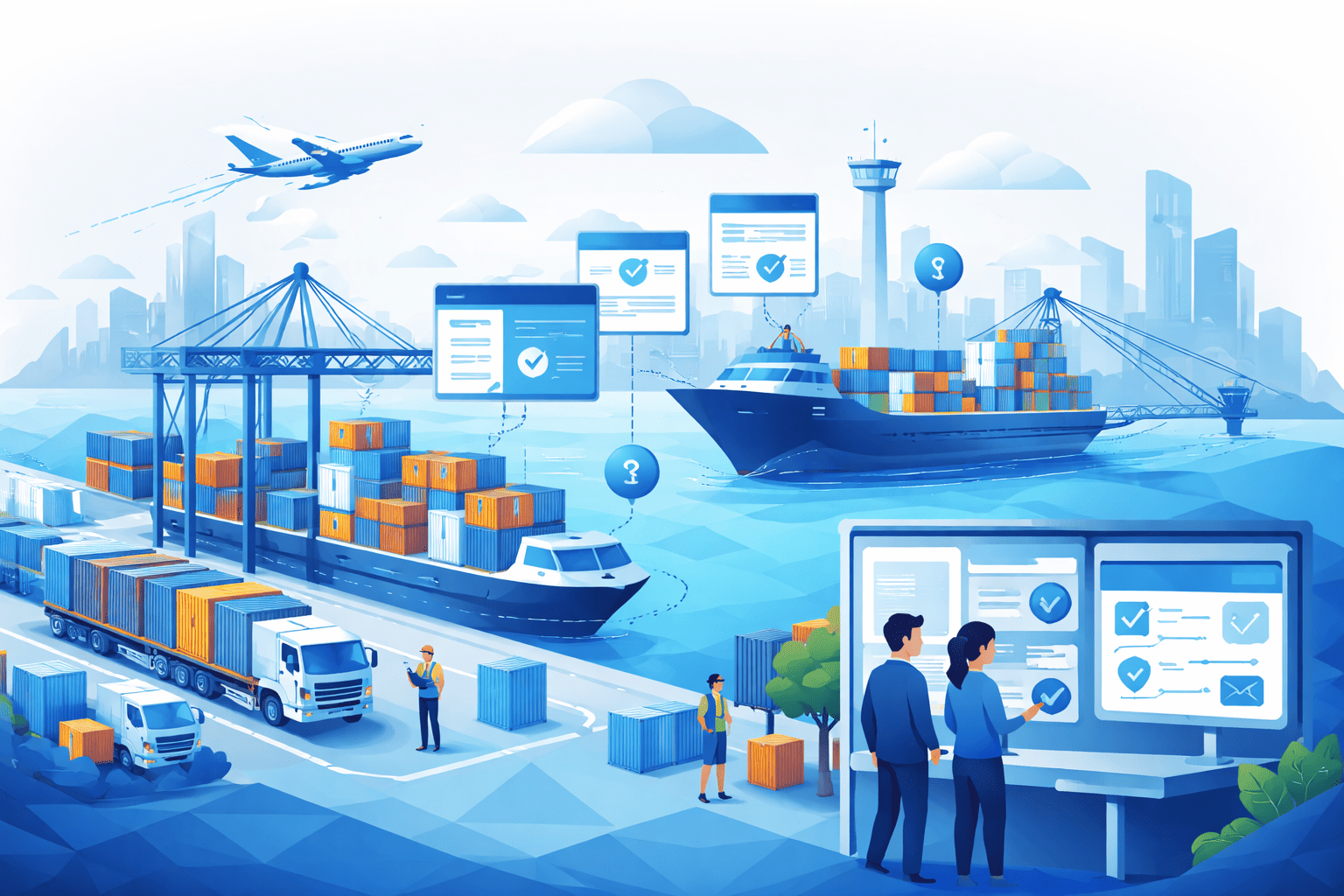
Orchestrate complex multi-actor workflows, with traceability and controlled evolution across years.
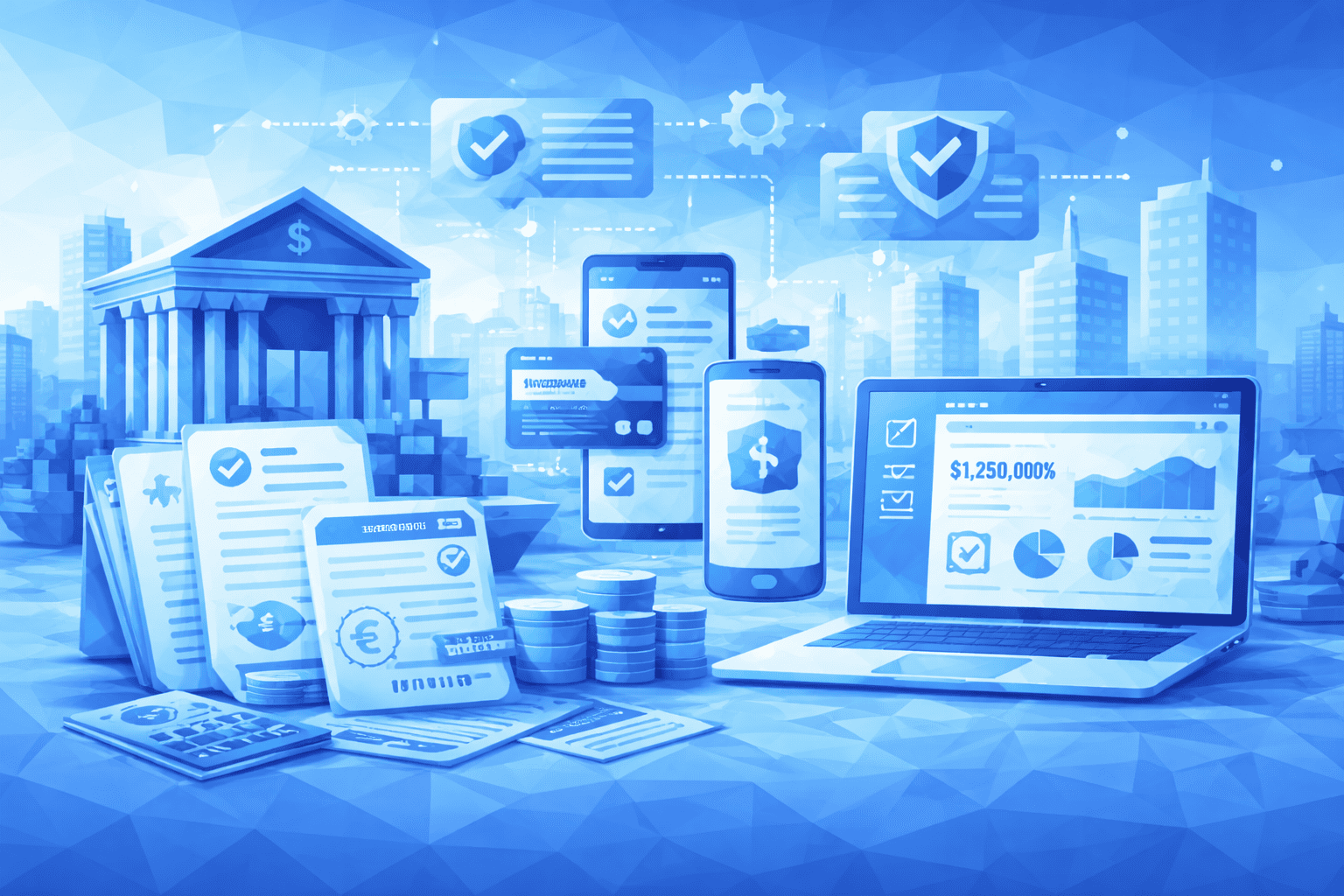
Standardize processes and embed governed AI agents for scoring, anomaly detection, and validations.
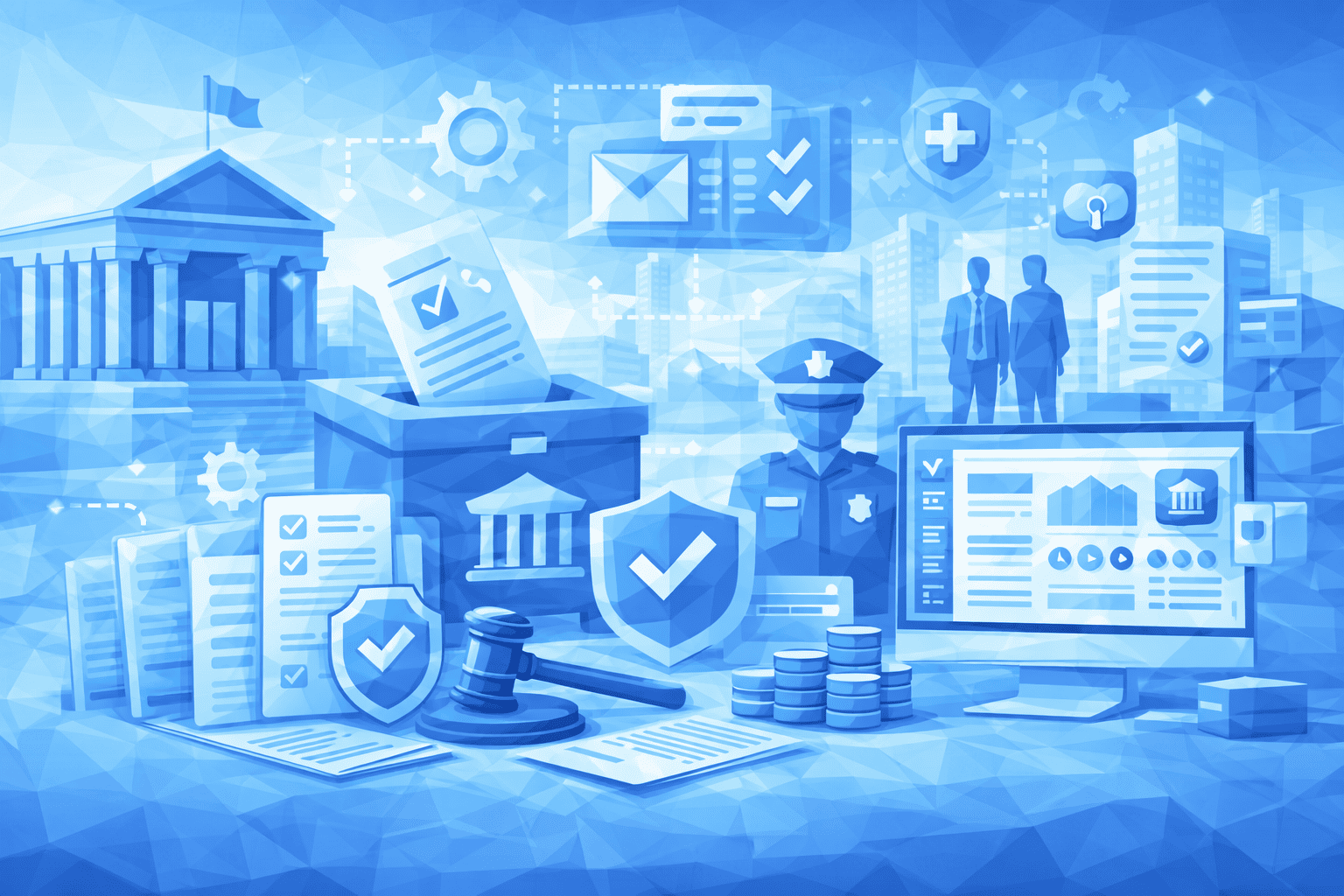
Build long-lifecycle systems with governed change, auditability, and secure collaboration.

Industrialize processes with rules and traceability, while keeping change governance under control.

Manage complex claims workflows with evidence, traceability, and governed AI-assisted controls.
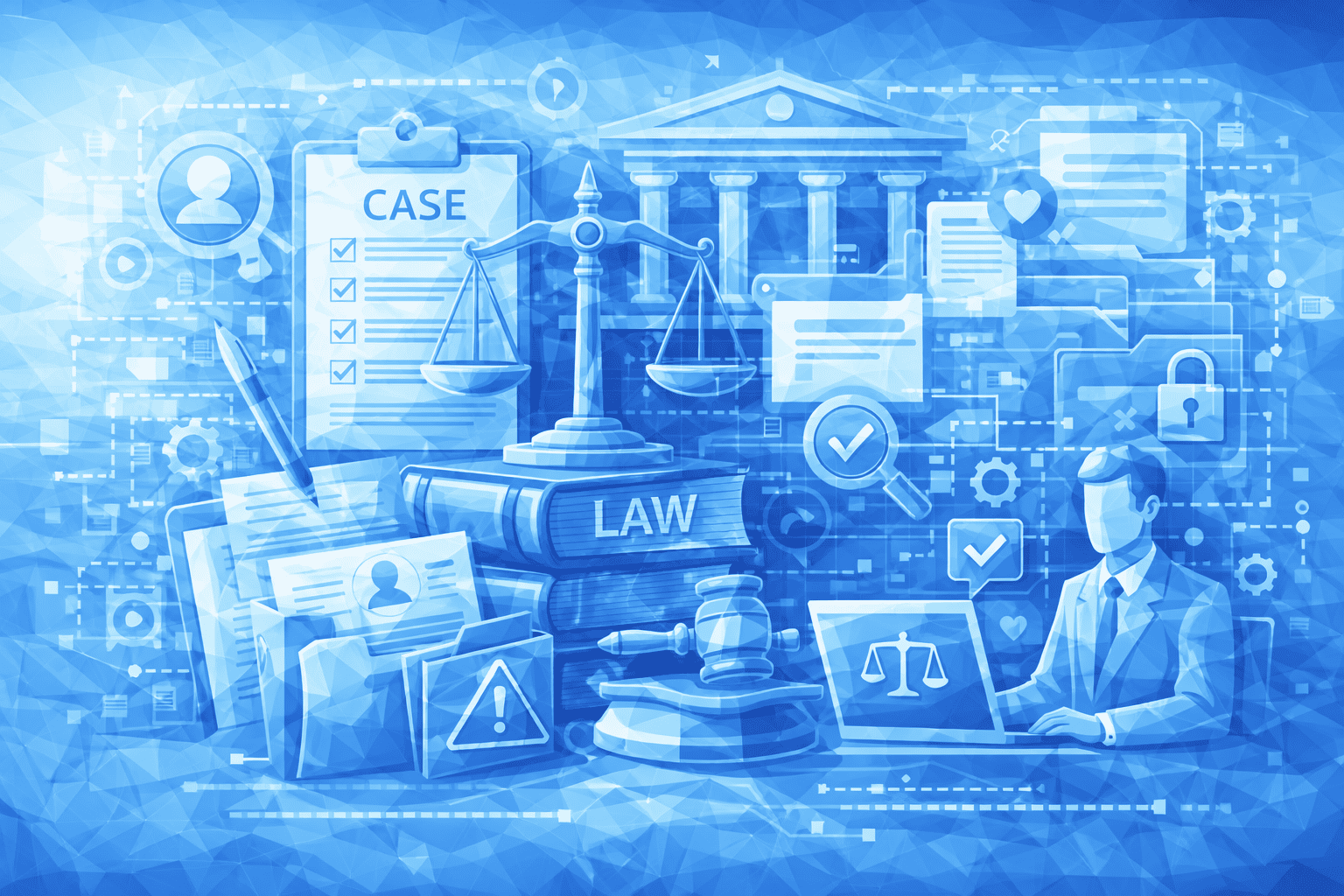
Model complex cases, processes, and documents with controlled evolution and full traceability.
Works Platform helps you regain control over long lifecycle applications by turning legacy complexity into structured, validated knowledge. Modernize with method, reduce change risk, and keep auditability and governance under control.
Extract rules, processes, and dependencies into reusable assets you can govern and evolve.
Choose safe modernization paths, keep control, and validate each step with traceability.
Legacy Refactoring turns what is implicit and risky into structured, reviewable assets. The goal is not “AI output”, it is reliable knowledge you can validate, govern, and evolve over time.
Each step produces traceable artifacts that can be reviewed by domain experts and reused as the foundation for safe refactoring.
Identify components, business domains, data objects, and critical paths. Establish scope, ownership, and what must not break.
Turn rules, validations, exceptions, and dependencies into explicit assets that can be reused and governed.
Domain experts review, adjust, and approve the extracted knowledge. Validation is recorded and becomes auditable.
Modernize in controlled increments using validated assets, predictable change, and continuous verification.
Principle
Modernization succeeds when knowledge is explicit, validated, and governed. Legacy Refactoring makes this knowledge operational, so teams can evolve mission-critical systems safely and continuously.
Legacy Refactoring produces explicit assets that teams can review, approve, and reuse. These assets become the safest foundation for modernization and long-term evolution.
Turn implicit logic into explicit, reviewable controls that can be governed and tested.
Make operational behavior explicit: who does what, when, and under which conditions.
Clarify data meaning, ownership, and how systems interact to reduce impact uncertainty.
Why it matters
The safest modernization is the one you can explain. By extracting explicit rules, processes, and data dependencies, teams can plan changes, validate outcomes, and keep auditability under control as systems evolve.
Legacy Refactoring is not a rewrite. It is a controlled modernization method that makes the existing behavior explicit, then transitions teams to a target model that can evolve safely.
Turn implicit logic into explicit assets teams can review.
Align on what must remain true, and what can change.
Move to a target model designed for safe evolution.
Outcome
You reduce uncertainty before you change anything. The result is a modernization program that can be planned, validated, and governed, while keeping day-to-day operations stable.
The goal is to turn uncertainty into governed assets: a clear understanding of the existing behavior, a controlled target model, and a transition path that teams can execute safely.
A readable view of what the system does and why, with traceability across rules, flows, and data.
A target system designed for governed change, with acceptance criteria and regression protection.
A realistic modernization path that reduces disruption and keeps delivery measurable.
Key message
Legacy Refactoring transforms a risky modernization effort into a governed program: explicit behavior, validated targets, and an execution path that can be controlled over time.
Modernization succeeds when the unknowns are reduced early, governance is explicit, and delivery is sequenced with control points. This is exactly what Legacy Refactoring is designed to produce.
Legacy Refactoring creates the discipline needed to modernize with confidence, even when the system is large, old, and business-critical.
Clarity before change
Make behavior, rules, and dependencies explicit early so the program stops relying on assumptions.
Governance built into delivery
Define control points, reviews, approvals, and audit trails as part of the refactoring method, not as an afterthought.
Sequenced scope with measurable outcomes
Prioritize by risk and value, deliver in controlled increments, and protect operations through coexistence where needed.
Outcome
Instead of a risky transformation driven by assumptions, you get a governed modernization program that produces clarity, validated targets, and controlled delivery over time.
Legacy Refactoring is most valuable when it is approached as a governed program, not a one-off assessment. The goal is to make the existing system understandable, define refactoring targets, and deliver modernization in safe increments.
What you get
A structured baseline, a prioritized refactoring backlog, validated targets, and a delivery sequence that protects operations.